secret garden
A ritual garden of scent, movement, and quiet encounter.
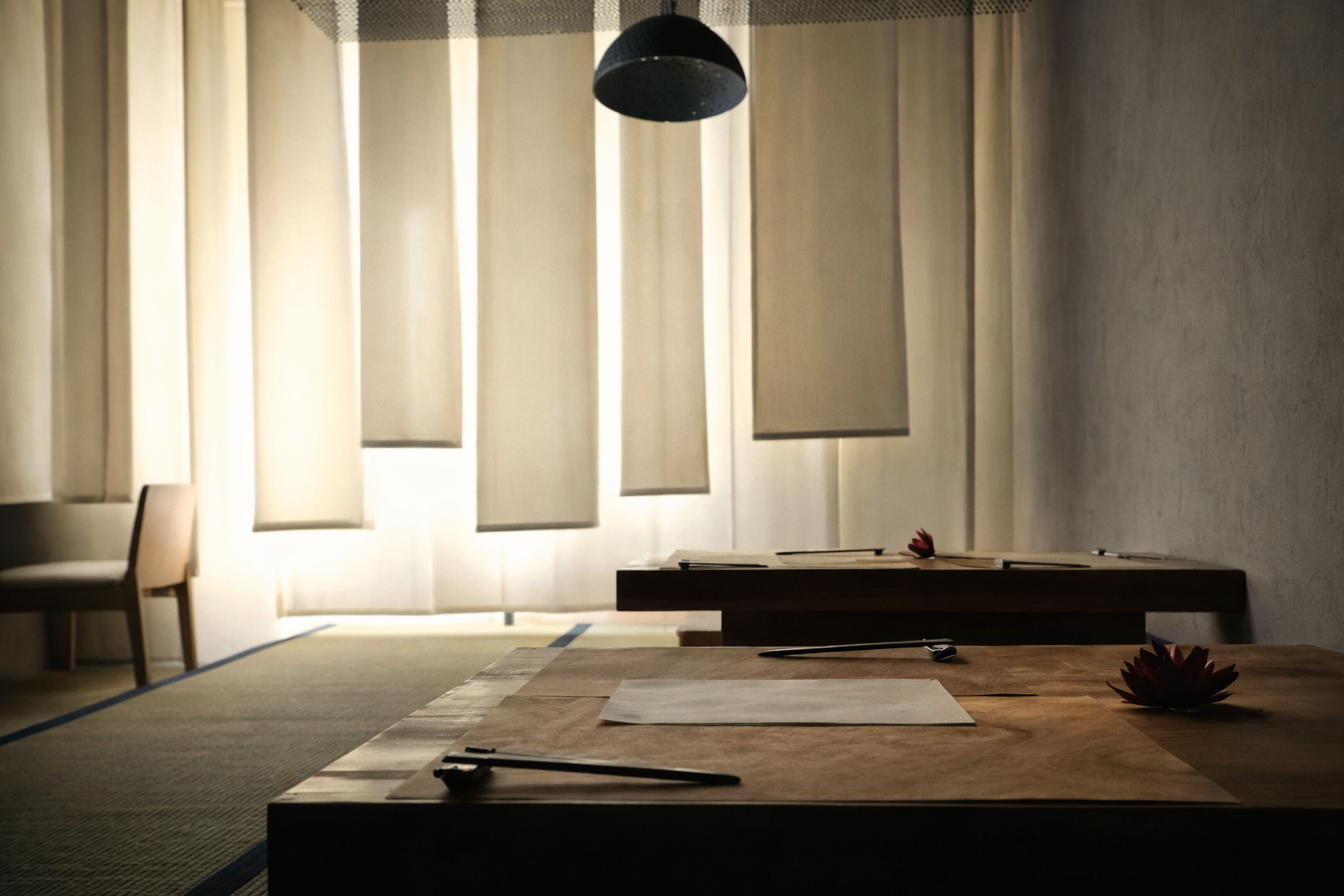
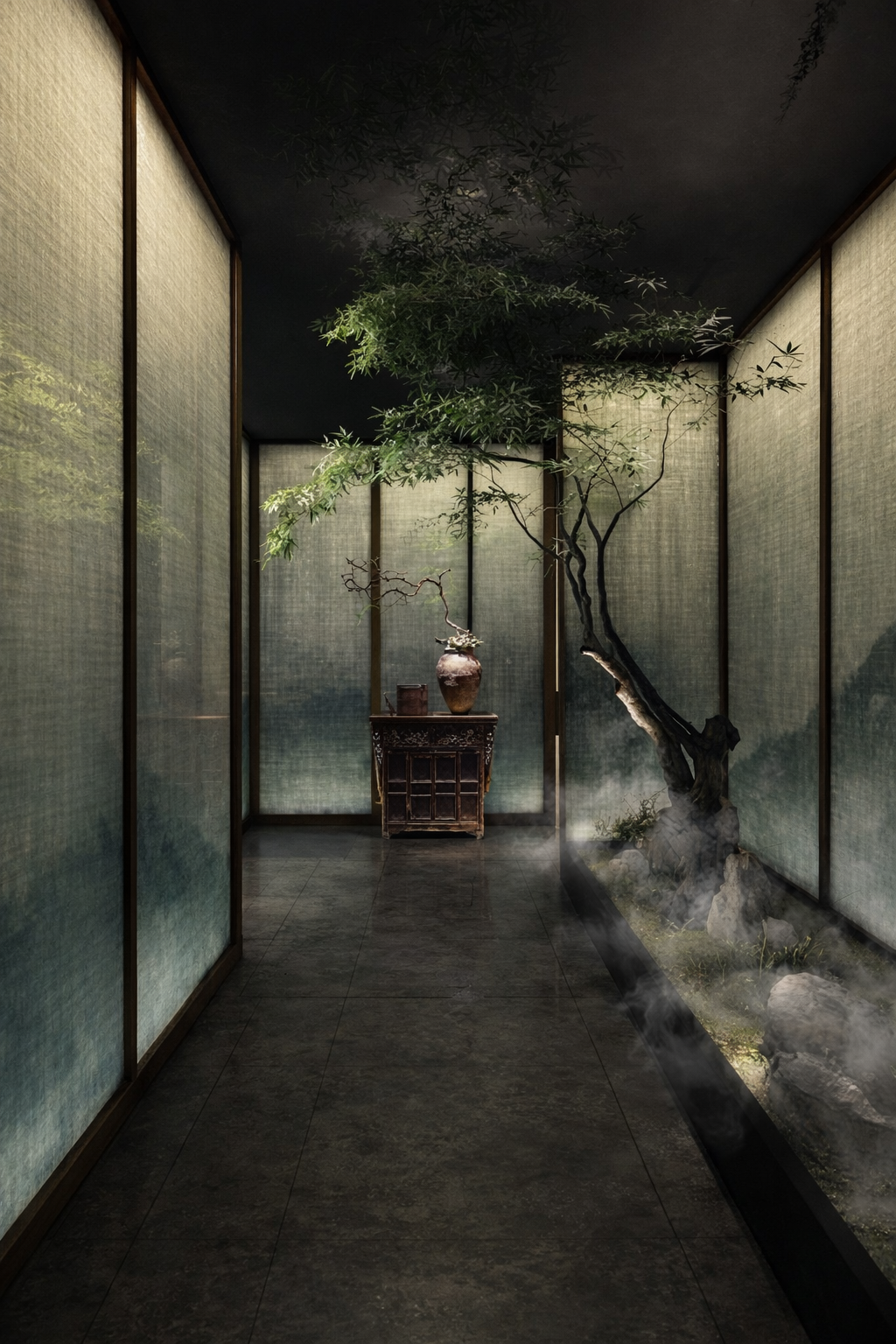
The Secret Garden unfolds as a contemporary interpretation of an Asian ritual garden, a sequence of intimate spaces designed for presence, slowness, and sensory attention.
CONCEPT
The Guests move freely through a series of rooms, each revealing a distinct atmosphere, scent, and emotional tone.
Rather than spectacle or explanation, the experience is built around ritualised simplicity.
CULTURAL INTENTION
Silence, gesture, fragrance, and shared moments replace narration.
GUests are invited to observe, wander, pause — and occasionally meet one another within a shared ceremonial space. of intimate spaces designed for presence, slowness, and sensory attention.
It is a world designed for quiet connection, where strangers coexist without obligation, and memory is formed through atmosphere..

GUEST CURATION
Attendance is invitation-only, limited and intentional.
Guests may include: cultural patrons and collectors / artists, designers, architects / founders and brand creatives / editors and discreet tastemakerS
The mix is curated to create Rooms where presence feels natural — never performative, never social-media driven.
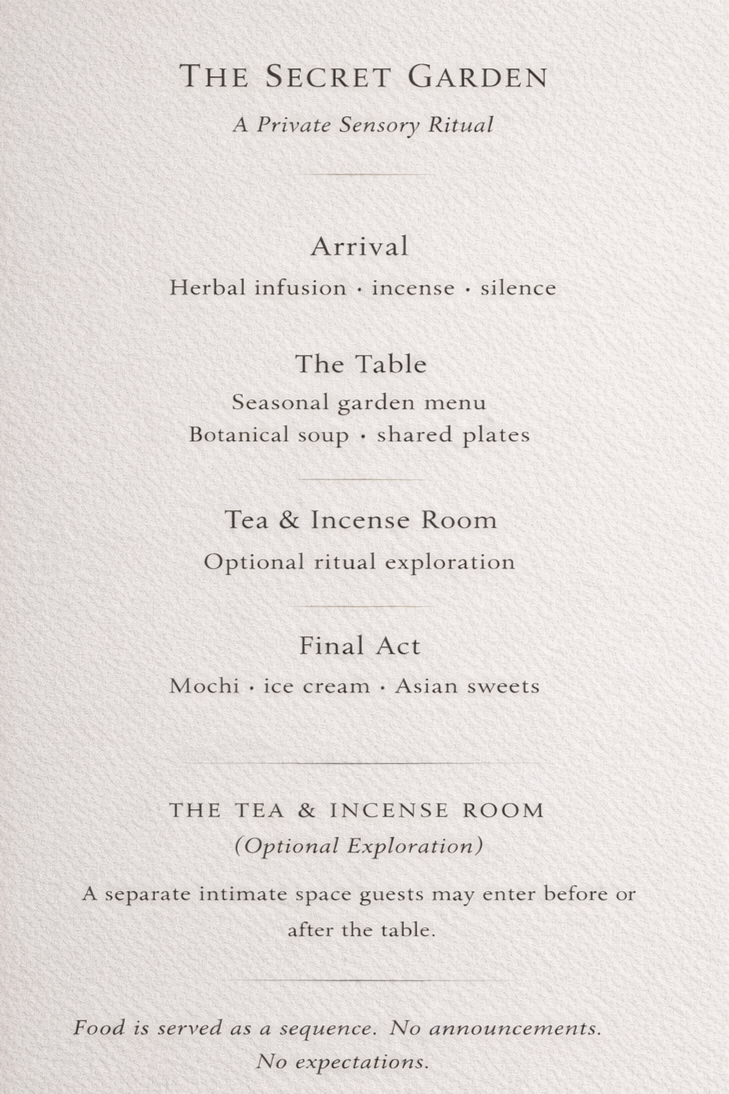
Arrival - The Threshold
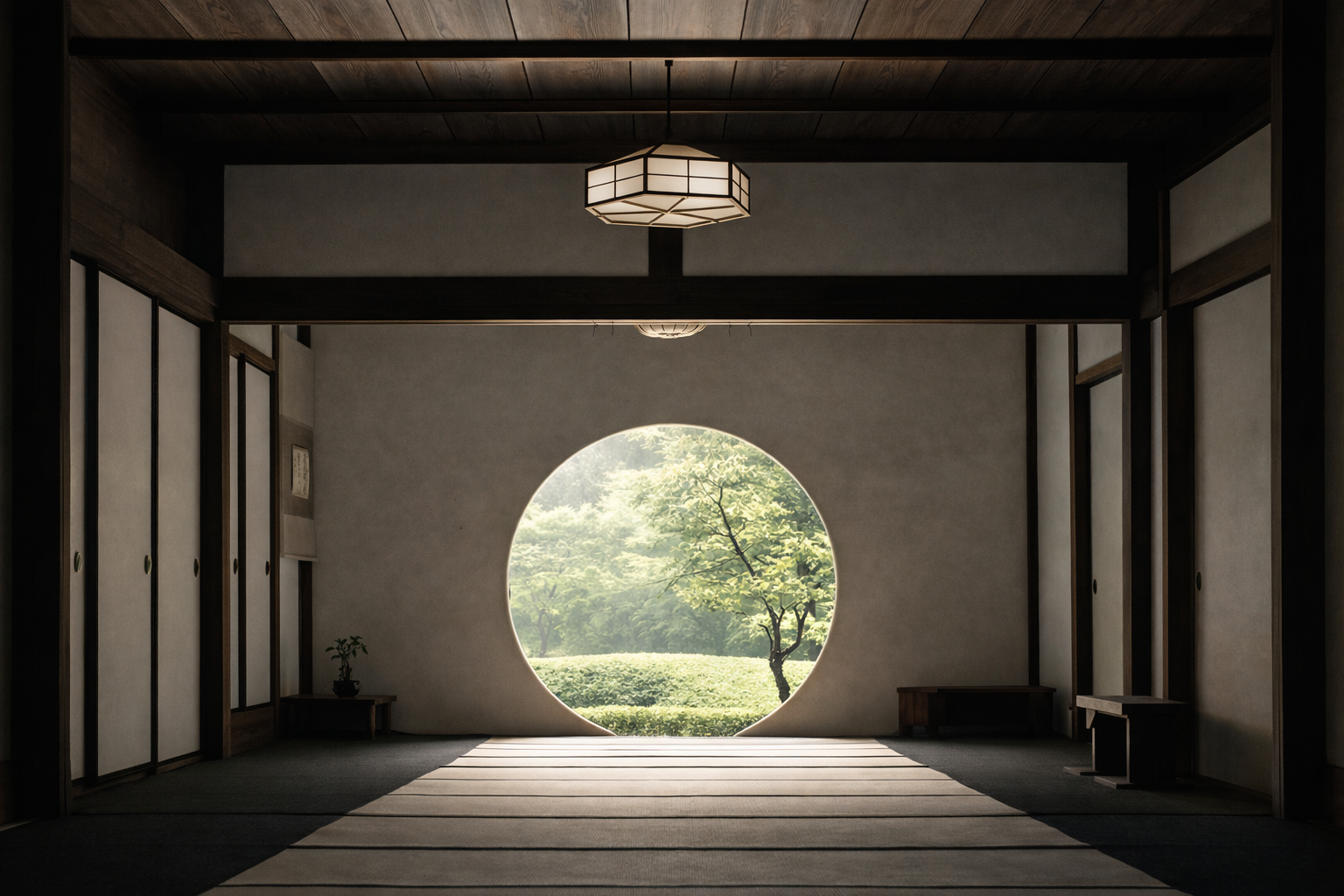
Guests arrive through a calm, architectural entrance inspired by traditional garden gates.
Shoes slow. Voices soften.
A subtle incense note marks the passage from the external world into the garden.
The Performance Room - Movement & Presence
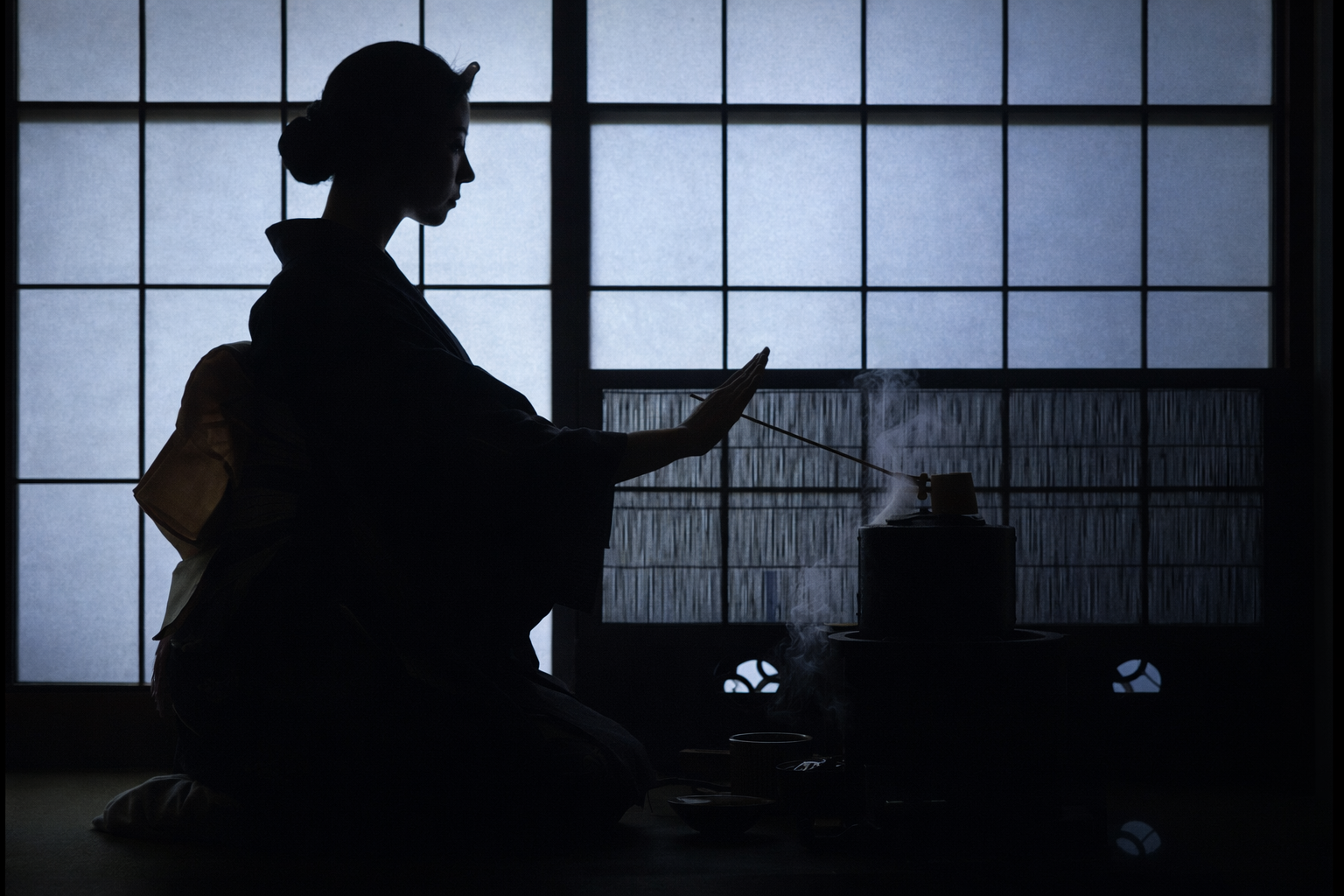
The performance is restrained: slow, deliberate gestures / controlled dance or ritualiSed movement / no stage, no applause
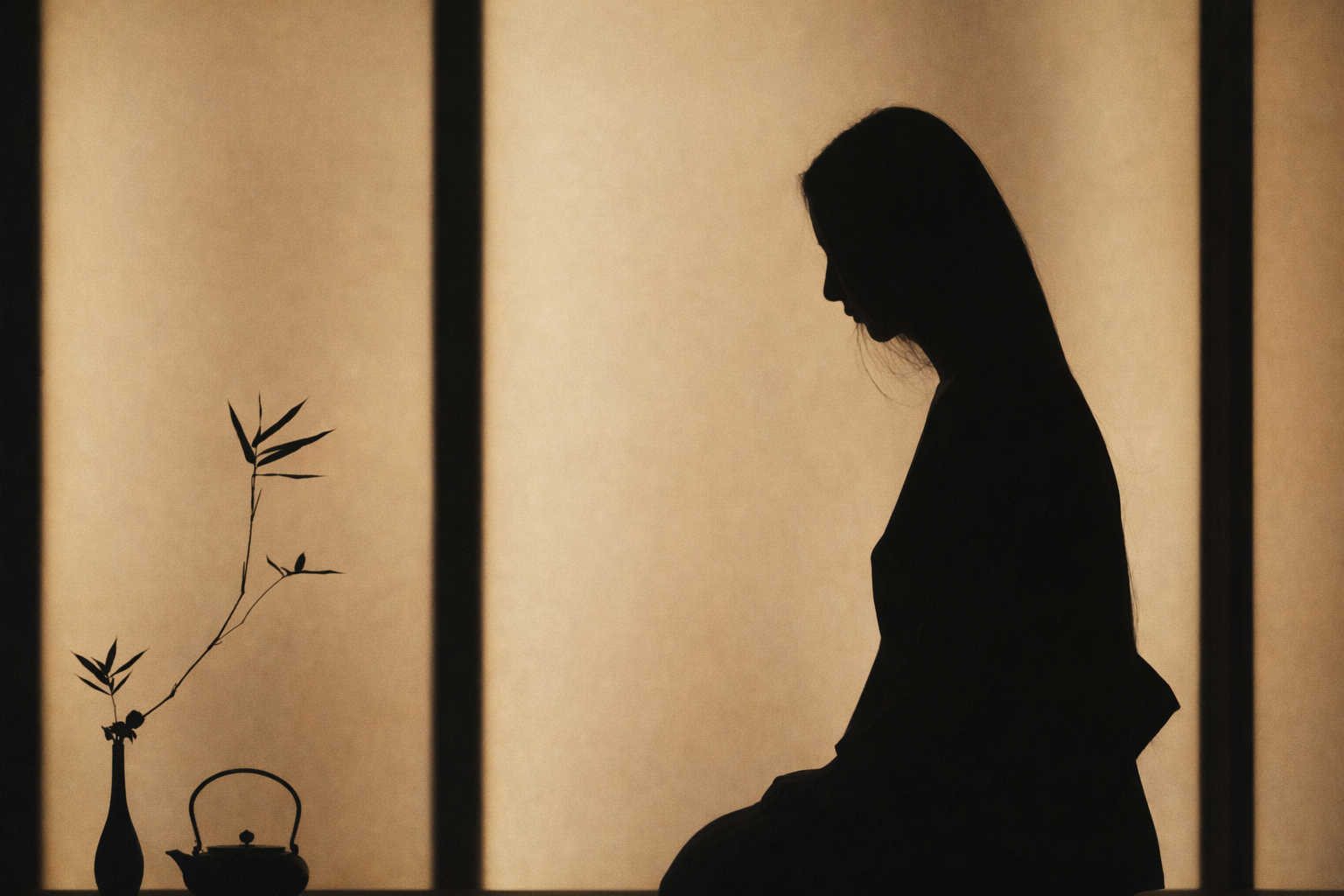
The performer exists as part of the environment, not as entertainment.
In a central space, a single performer inspired by the discipline of geisha movement , appears at intervals.
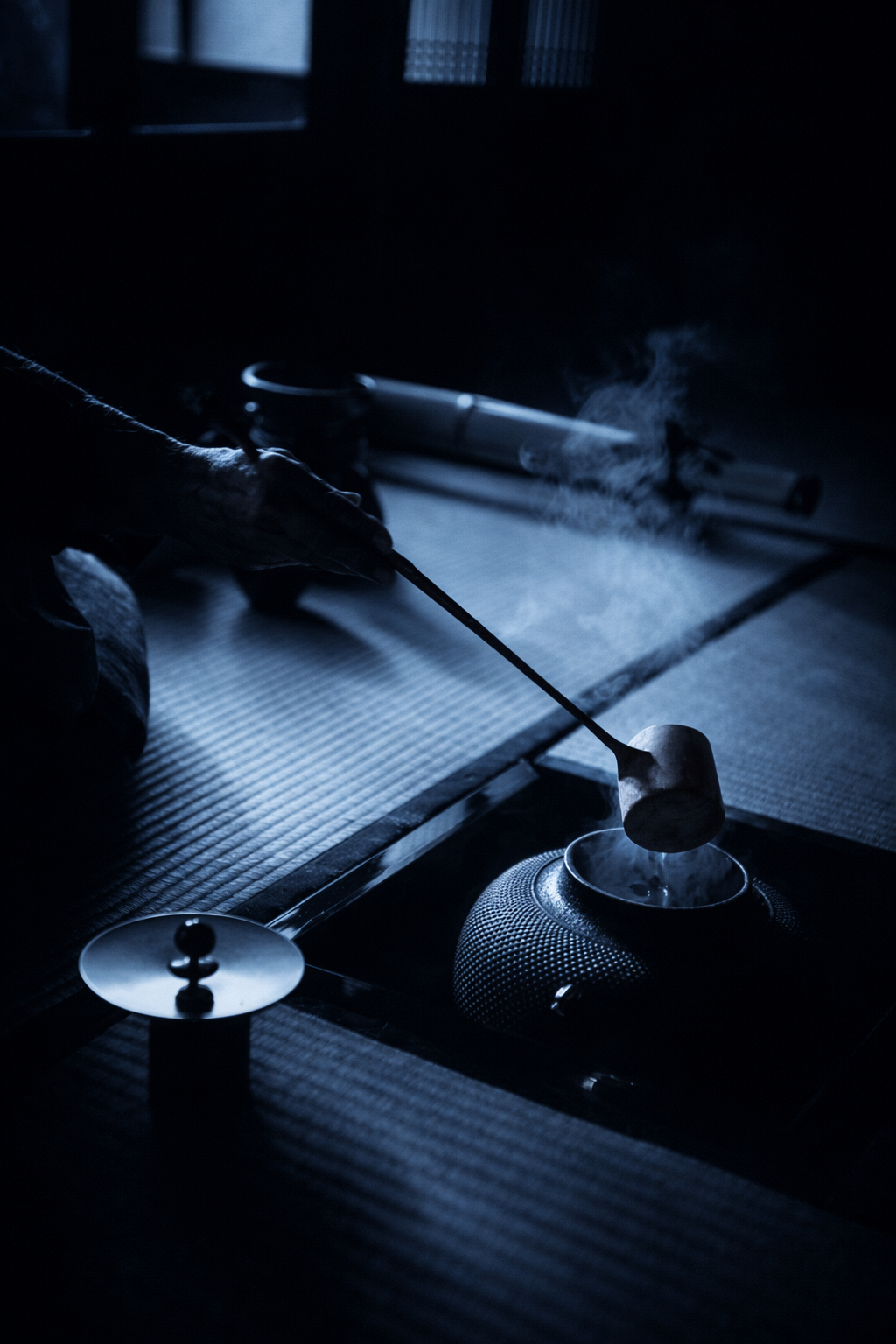
The Tea & Incense Rooms - Intimate Rituals
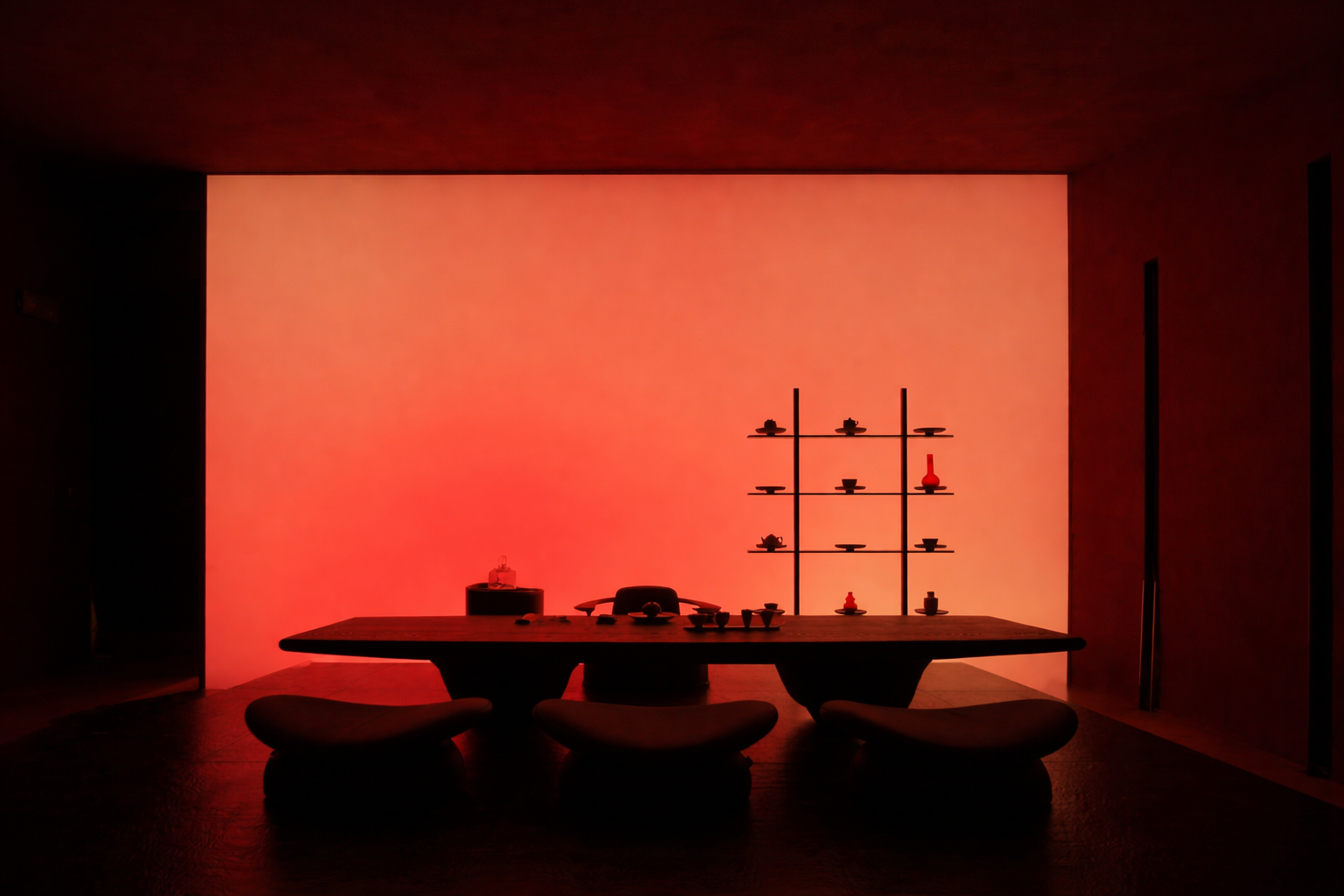
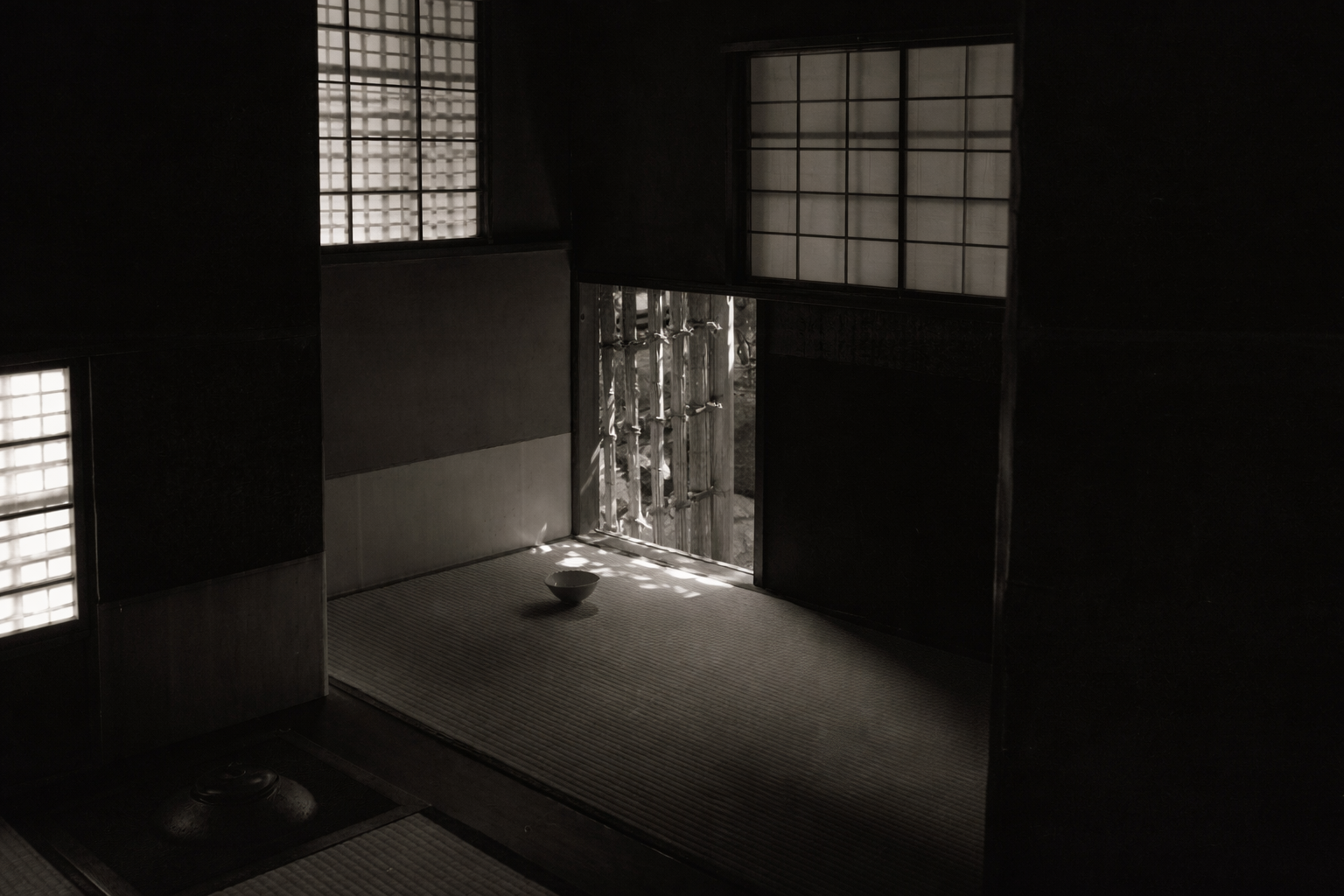
Guests may enter smaller rooms dedicated to tea and incense ceremonies. These rooms are quiet, slow, and deeply personal experienced alone or shared with a small group of strangers.

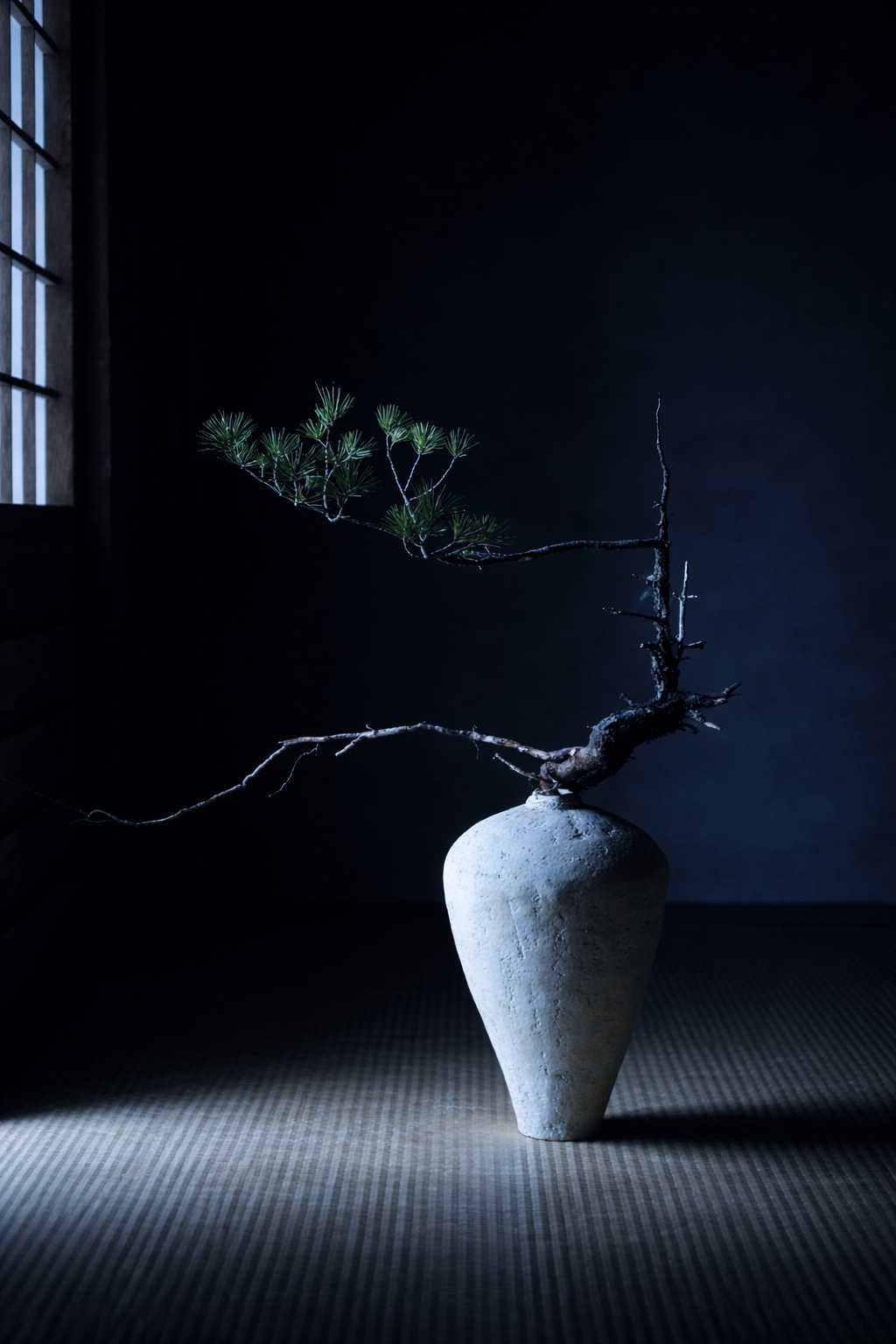
The Floral Rooms - Scent as Landscape
Other spaces are dedicated to moody floral installations and minimalist interiors. Guests are free to linger, return, or move on.
The experience is non-linear, encouraging intuition over instruction.
Each room reveals: a specific perfume or olfactory chapter, a restrained botanical composition, subtle variations in light, texture, and sound
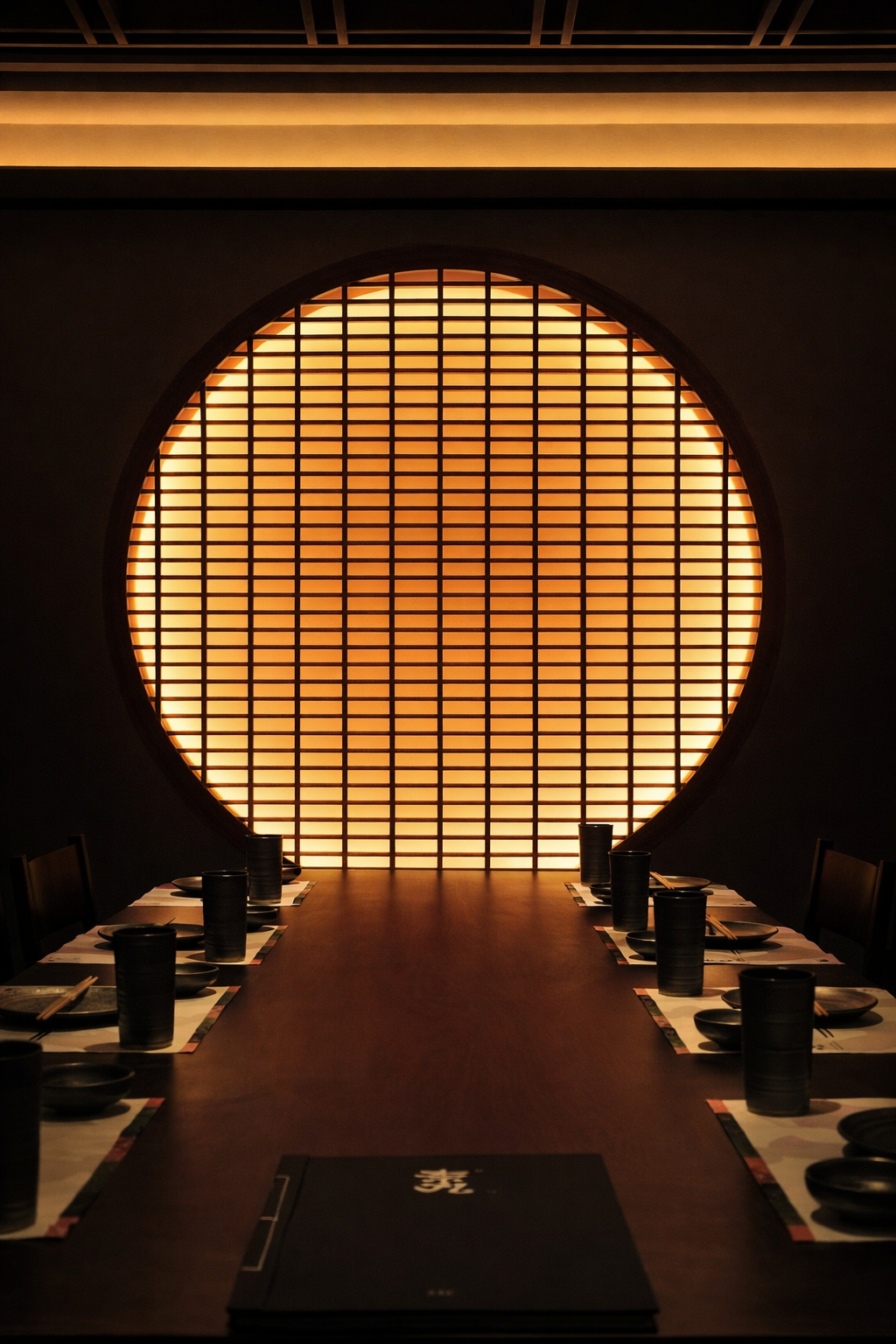
The Table - A Moment of Warmth
At a chosen moment, guests are invited into a shared dining space.
The food experience is intentionally simple and refined: Japanese-inspired dishes curated with precision, seasonal ingredients, mochi sweets and delicate confections, warm broths, subtle flavours, tactile plates.
The meal is not explained.
It exists as an extension of the sensory journey grounding, comforting, human.
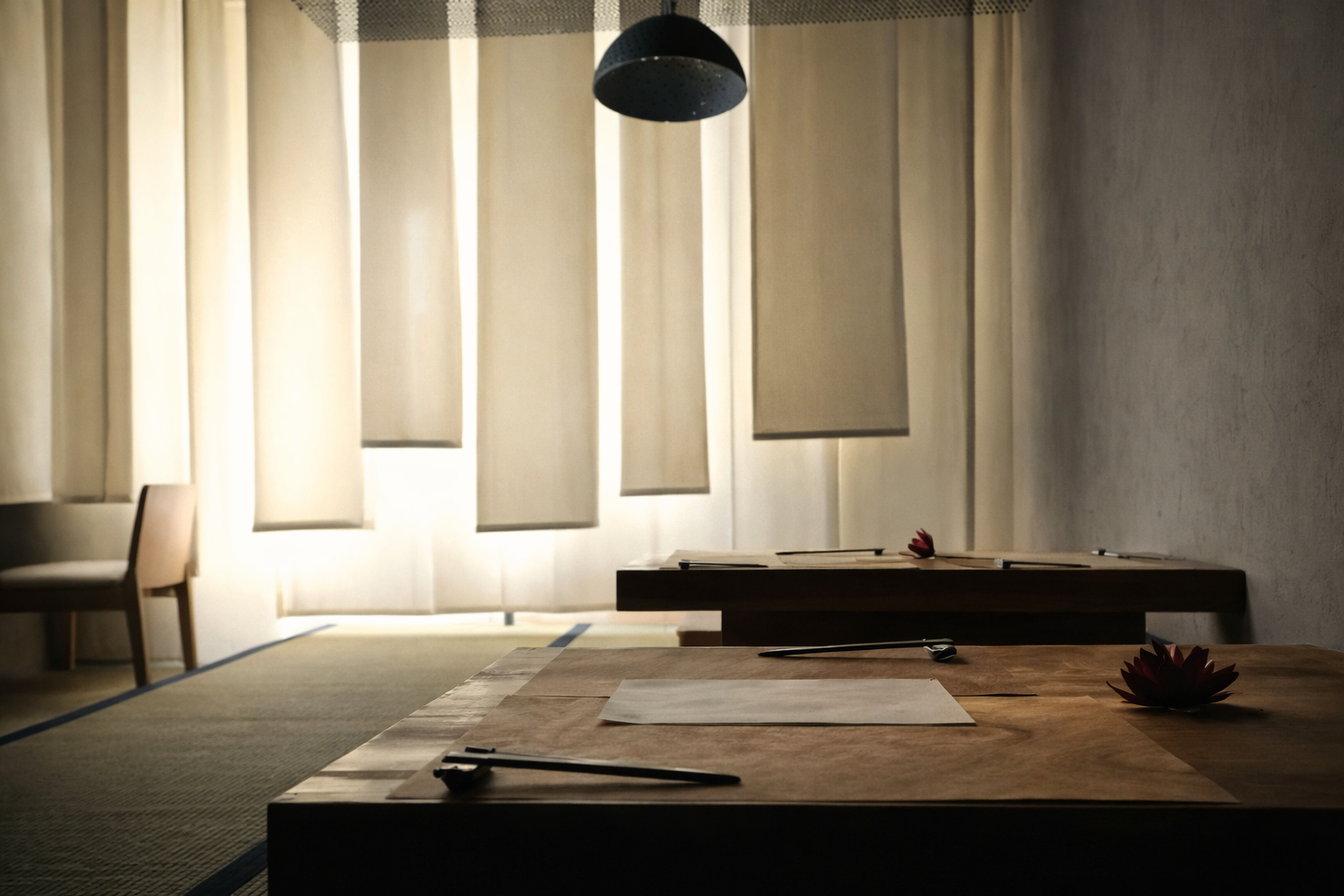
Closing : Quiet Departure
As guests prepare to leave, they pass through a final scent moment. a personal imprint rather than a gift.
The garden does not announce its ending.
Guests leave gently, carrying memory rather than objects.
-
Narrative: From threshold to presence to shared stillness
Sensory Language: Minimal, tactile, atmospheric
Emotional Intention: Calm, curiosity, quiet connection
-
Concept & world-building
Cultural narrative and ritual design
Guest list curation and experience flow
Artist, performer, and practitioner curation
Culinary and sensory direction
Production supervision and execution oversight
-
The Secret Garden offers an alternative to overstimulation and spectacle.
It proposes a cultural format where slowness becomes luxury, and ritual becomes a shared language between strangers. -
Dior · Guerlain · Cultural institutions · Hospitality partners · Private collectors
The Secret Garden is a world designed to be entered quietly, and remembered deeply.